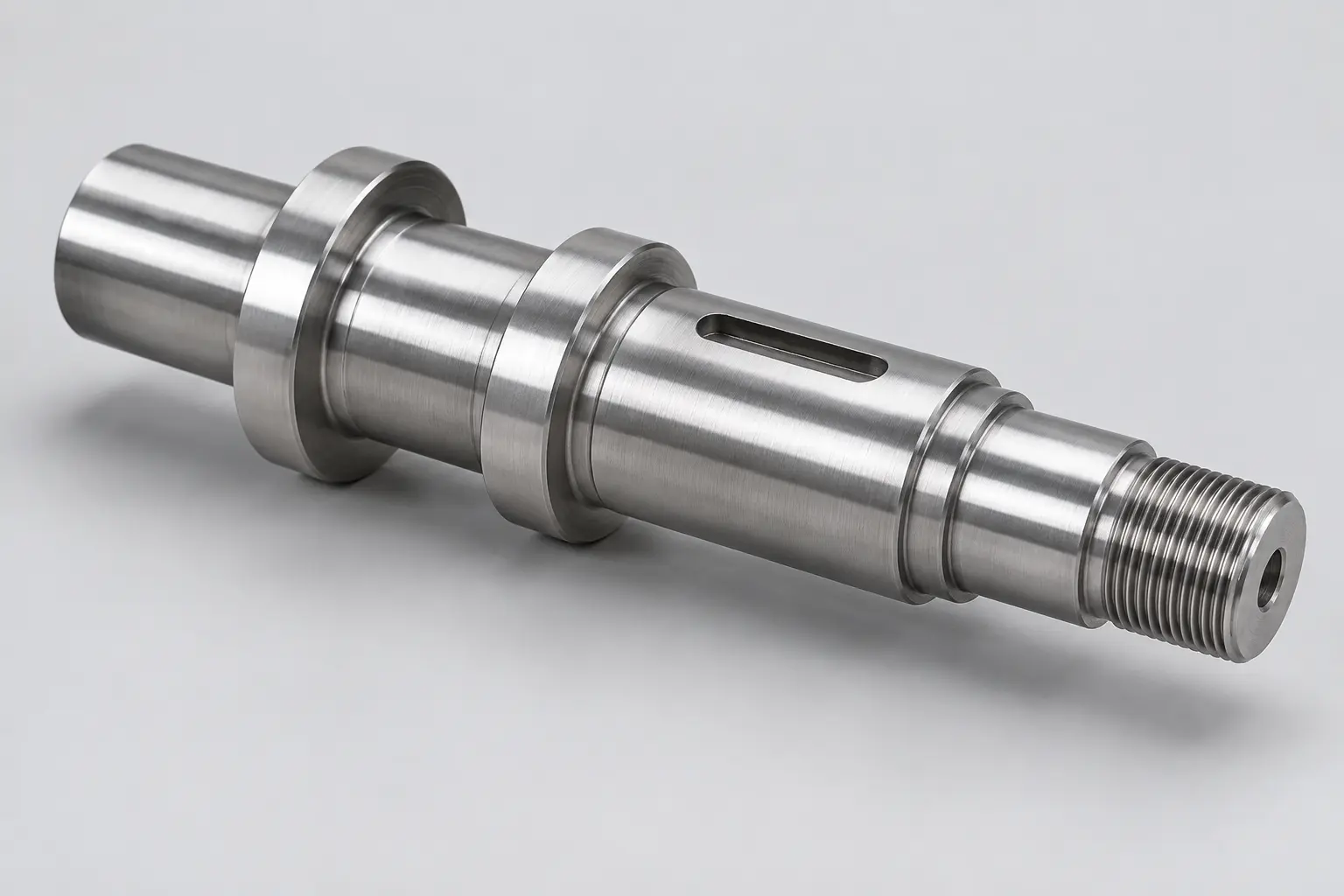
 REPRESENTATIVE PART
Precision Shafts
Stepped shafts and rotational components reviewed around bearing seats, mating parts and functional surfaces.
Explore this part familyDrawing-based turning for shafts, bushings, sleeves and connectors used in industrial assemblies. Start with the dimensions and interfaces that control fit.
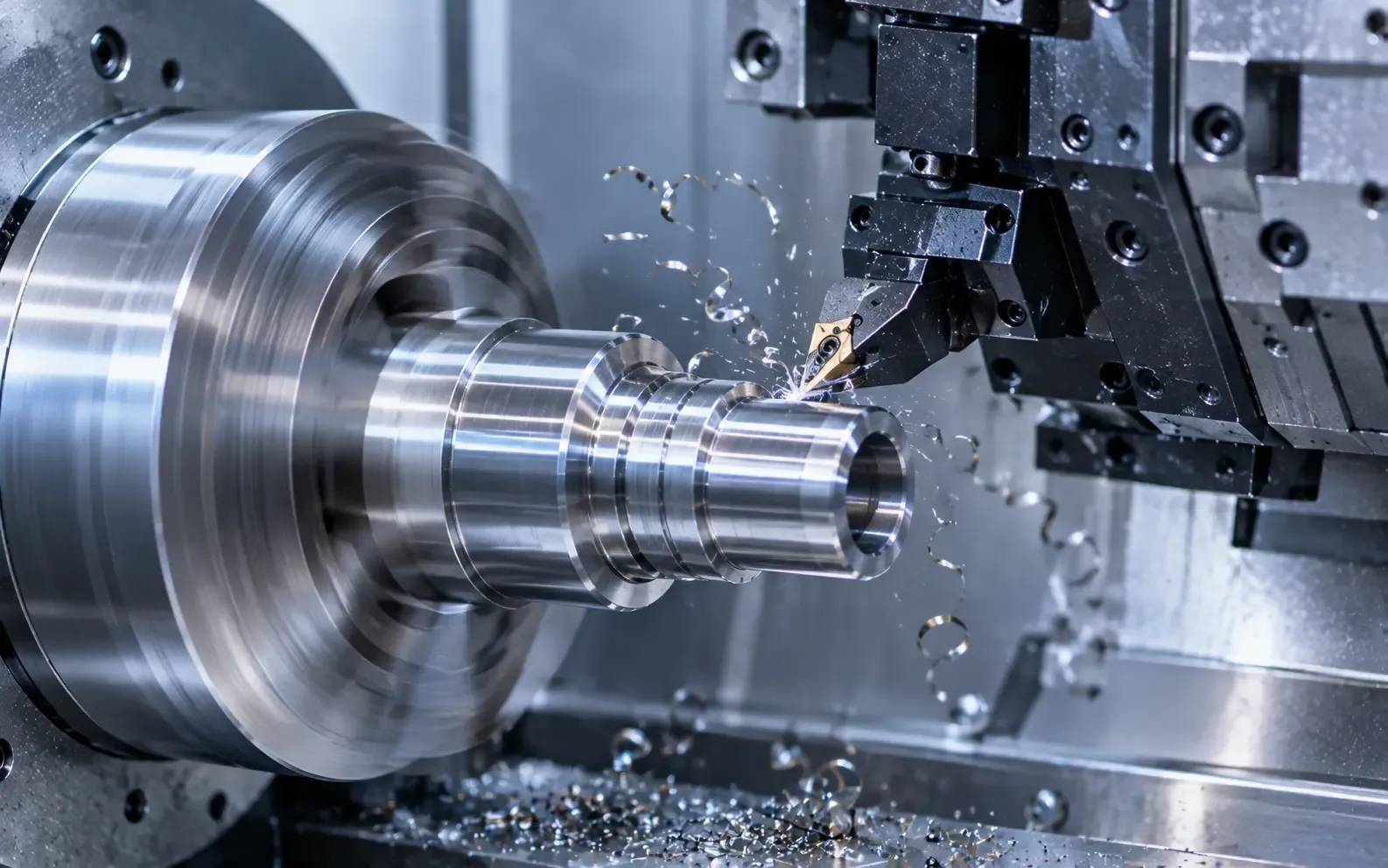
Explore typical turned part families for industrial OEM applications. These representative images describe component types; suitability is assessed against your drawing and actual process capability.
REPRESENTATIVE PARTStepped shafts and rotational components reviewed around bearing seats, mating parts and functional surfaces.
Explore this part family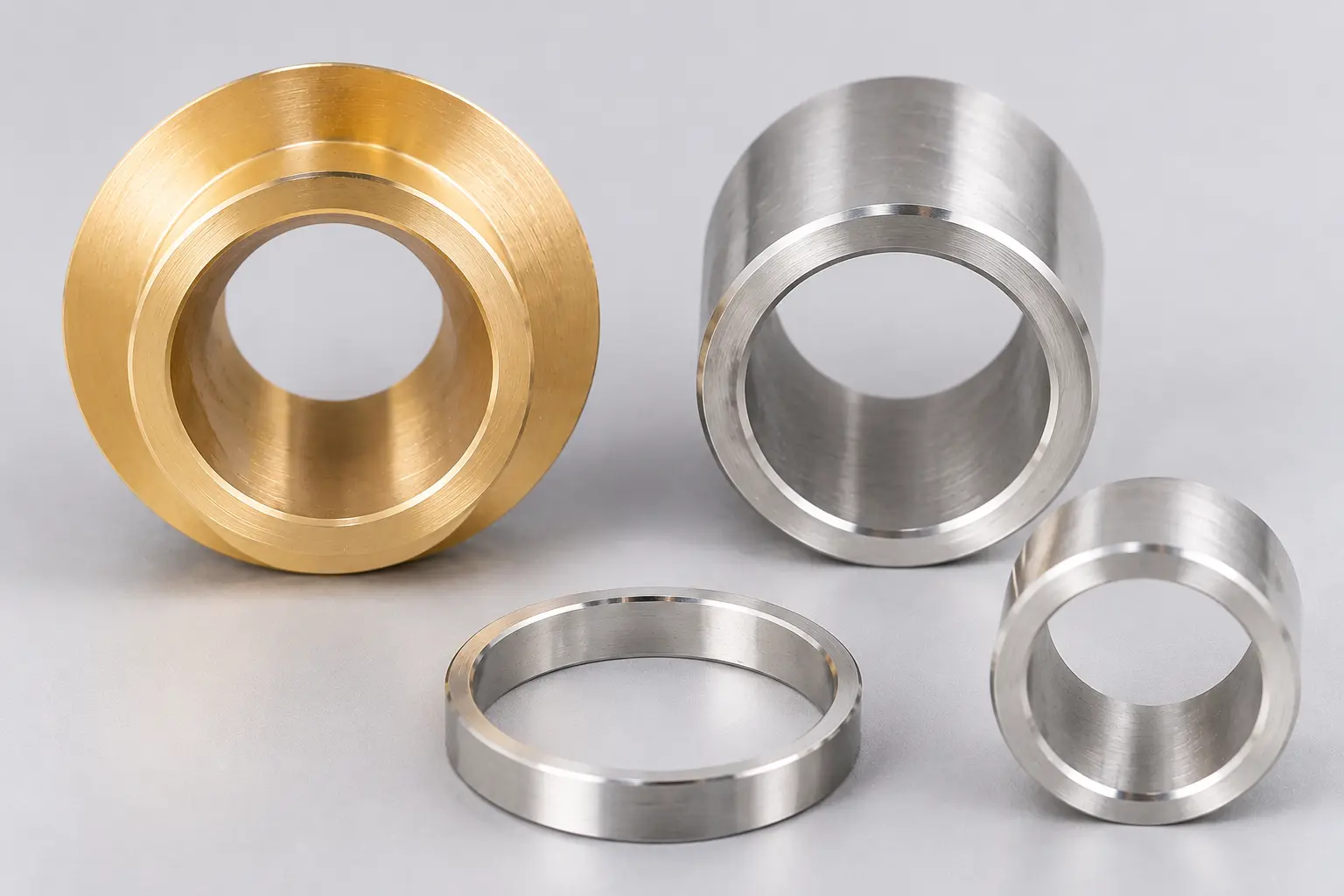 REPRESENTATIVE PART
Custom bushings, sleeves and spacers for assemblies that require defined internal and external dimensions.
Explore this part family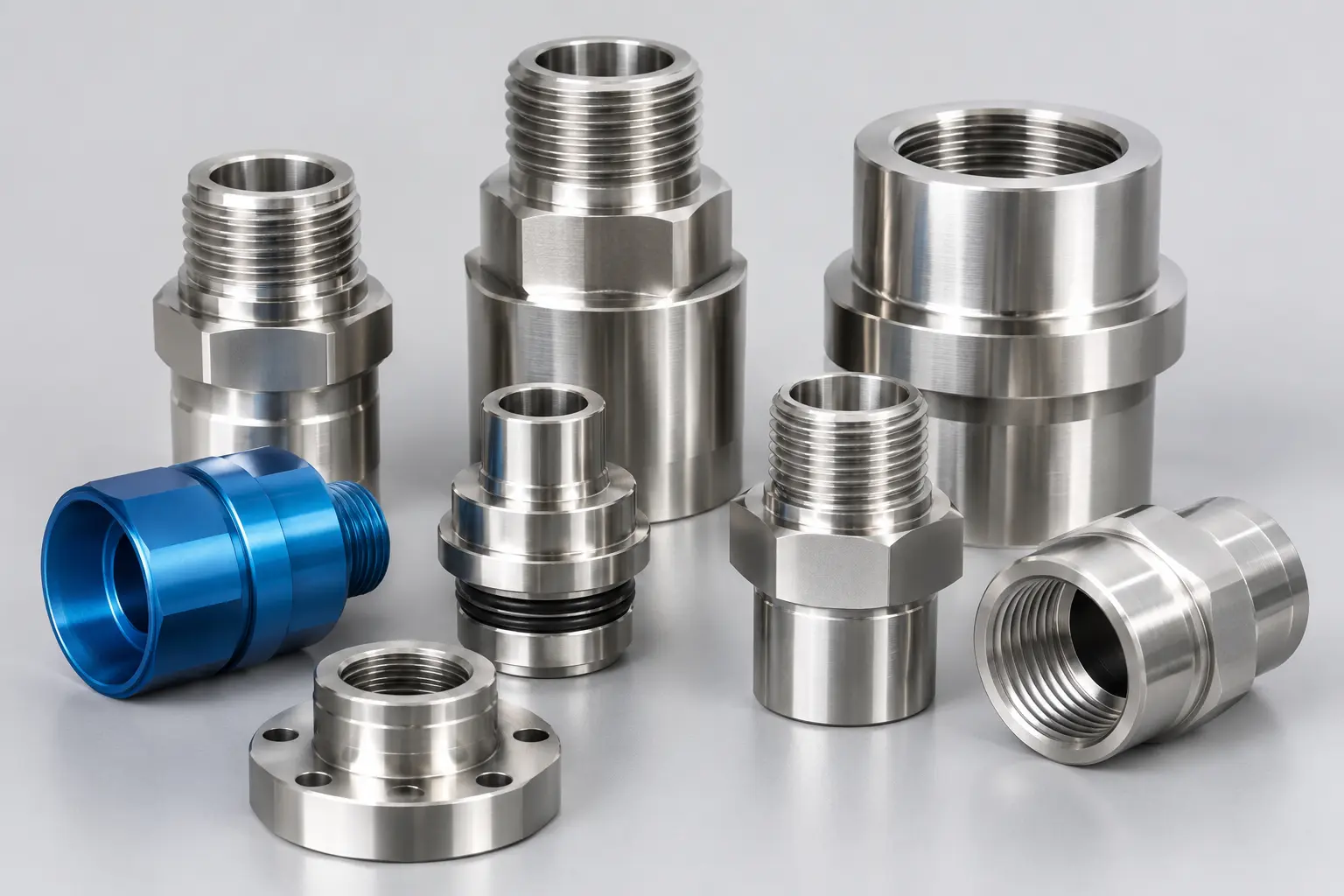 REPRESENTATIVE PART
Drawing-based metal adapters and connecting components with project-specific interfaces and turned features.
Explore this part familyA rotational profile alone does not define a production component. Include the requirements that control fit, function and inspection.
Mark bearing seats, mating diameters, shoulders and the dimensions that control assembly or movement.
Identify rotating features, datum references and any runout or concentricity requirements that affect function.
Specify thread standards, internal or external threads, chamfers and the interfaces that must mate with other parts.
Provide the initial quantity, target delivery and expected repeat demand so the production route can be reviewed.
Diameter, length, geometry, material, tolerances, inspection documents and lead time are reviewed per project. This page does not specify guaranteed machining limits or a universal tolerance.
Our quality approachTell us what the part is made from and how its functional surfaces must perform. Material availability and finishing scope are confirmed in the quotation.
Where turned components also require grinding, heat treatment or surface finishing, Belaro can coordinate the specified secondary process through its Dongguan and Shenzhen supplier network.
Explore secondary processesFor drawings that require a grinding step after machining, subject to geometry, tolerance and process review.
Coordinated to the material condition, hardness or treatment specification stated in your requirements.
Reviewed against the finish specification, masking needs, functional surfaces and post-finish dimensions.
Send a dimensioned PDF, a 3D model if available, material grade, quantity and target delivery.
Clarify critical diameters, threads, inspection needs, feasibility and commercial scope.
Agree the drawing revision, specifications, quantity and delivery arrangements before production.
A dimensioned PDF drawing and, where available, a STEP model are a useful starting point. Include the revision, material grade, quantity, critical fits and target delivery. Related files can be packaged in a ZIP.
Yes, enquiries can be reviewed for rotational components such as stepped shafts, sleeves, bushings and adapters. Suitability depends on the drawing and agreed requirements.
Include the diameter, tolerance or fit, surface finish, datum reference and any runout or concentricity requirement. Final feasibility is confirmed during quotation.
List the thread standard, size, class or fit and whether the feature is internal or external. Thread scope and inspection requirements are reviewed per project.
Send the complete drawing and describe the critical interfaces. Select “Not sure — please review” in the RFQ form if the required process is unclear.
Share the component, material and batch requirements. Start a focused conversation about your turning project.